
Facial Feminization Surgery through Insurance – Los Angeles
FFS Insurance Coverage
Insurance coverage of FFS surgery is a constantly changing landscape. As a patient, it is important to know how much FFS will cost before undertaking the endeavor. A major component of the final cost often depends on how much one’s insurance company will cover. Facial feminization insurance coverage is often what determines whether someone can afford to undergo the procedure.
The exact answer to this question is extremely variable and there are many factors that go into determining which procedures are covered, how much of the procedures are covered, and how much one will have to contribute towards the surgery.1 In general, it is best to contact your surgeon’s office to help you determine what the cost will be for you.
In order to learn generally what the written policies are for FFS insurance coverage by specific companies, summaries of the policies by those companies are provided below.
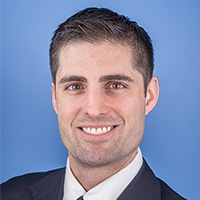
Dr. Mittermiller is a plastic surgeon with specialty training in craniofacial surgery and facial feminization surgery. He is primarily located in Los Angeles, California. He has had the privilege of serving local and out-of-state patients.
Dr. Mittermiller’s office has extensive experience working with multiple insurance companies for coverage of facial feminization surgery.
Contact us today to schedule a consultation.
- Facial Feminization Surgery through Insurance – Los Angeles
- Process
- Where do I start?
- Methods for obtaining coverage for surgery?
- How do I find an FFS surgeon in LA who takes my insurance?
- How do I make an appointment with an FFS surgeon?
- How do I know whether procedures recommended will be covered by insurance?
- My FFS procedures were denied. Should I appeal for coverage?
- National Overview of Policies
- Insurance Companies in California
- References
Process
Where do I start?
Before you even start on the process of determining whether facial feminization surgery will be covered by insurance, you need to know what type of insurance you have. There are many insurance companies and many variations of plans within those companies. Some of the larger insurance companies include Blue Cross, Blue Shield, Cigna, Aetna, and LA Care (MediCal).
Methods for obtaining coverage for surgery?
There are multiple ways one can obtain coverage for surgery. One of the big differentiating factors is determining whether you want to go to an in-network surgeon or out-of-network surgeon. In-network surgeons are those who have made an agreement with your insurance company to provide services to the patients covered by that insurance.
There are ways to obtain insurance coverage for procedures performed by surgeons who are out-of-network through a variety of techniques. These can involve using previously agreed upon letters of agreement or they can occur through supplemental insurance policies provided by one’s place of employment.
For ease of use, this article will focus on finding surgeons who are in-network with one’s existing policy.
How do I find an FFS surgeon in LA who takes my insurance?
Once you know the type of insurance you have, you then have to decide whether you plan to see a surgeon who is in-network or out-of-network. As mentioned previously, this article will focus on in-network coverage of FFS.
There are a few methods for finding surgeons who are in-network with your existing policy.
1. If your primary care physician is familiar with transgender health care, they may have recommendations regarding which surgeons are in-network with your insurance policy.
2. If your primary care physician is not familiar with any surgeons who are in-network with your policy, it is sometimes possible to find surgeons through the company’s website in their list of providers.
3. If there is no available list of surgeons who can provide facial feminization on the insurance company website, you can try to call your insurance company to request a list of surgeons who are in-network.
4. If you know of an FFS surgeon in LA who takes insurance, you can try calling the surgeons office or contacting the office through an online portal to ask the staff whether that surgeon takes your insurance. The office staff should know the answer to this question.
Dr. Mittermiller is a plastic surgeon with specialty training in craniofacial surgery and facial feminization surgery. He is primarily located in Los Angeles, California. He has had the privilege of serving local and out-of-state patients.
Dr. Mittermiller’s office has extensive experience working with multiple insurance companies for coverage of facial feminization surgery.
Contact us today to schedule a consultation.
How do I make an appointment with an FFS surgeon?
In order to have an appointment with an FFS surgeon, you may first need to have approval from your insurance company. This is not a necessary step with all insurance companies. Your primary care physician or the surgeon’s office staff should be able to help you determine whether pre-approval for the visit is a necessary step in the process. If pre-approval is required, this often means you need to have a referral to the FFS specialist before you can have a consultation with the surgeon.
How do I know whether procedures recommended will be covered by insurance?
During your clinic visit with the FFS surgeon, you will likely discuss multiple possible procedures for facial feminization. Most of the time, the surgeon will have a rough idea about the likelihood of whether a specific procedure will be covered.
Click here for details on the types of procedures involved in facial feminization surgery.
Once you and your surgeon have decided on the procedures you would like to undergo as part of facial feminization, the surgeon will often submit a request to the insurance company for pre-authorization of the procedures. This means the procedures will likely be covered by the insurance company. Many insurance companies still reserve the right to deny coverage following the operation.
My FFS procedures were denied. Should I appeal for coverage?
It happens fairly frequently that a request for FFS coverage is denied. Sometimes, all the requested procedures are denied. Sometimes, only a couple of the requested procedures are denied. When a denial occurs, the insurance company often includes information on how to appeal the denial. Your surgeon’s office should also know how the appeals process works and what you can do to file an appeal. According to an article written in February 2025, “In 2023, [California] state data show, about 72% of appeals made to the Department of Managed Health Care, which regulates the vast majority of health plans, resulted in an insurer’s initial denial being reversed.”2, 3 This suggests that the appeals process does ultimately often result in an overturn of the original denial.
National Overview of Policies
The existing insurance policies are widely discrepant and are constantly changing. In 2021, Dr. Gorbea et al. published an article titled “Insurance Coverage of Facial Gender Affirmation Surgery: A Review of Medicaid and Commercial Insurance” that aimed to summarize insurance coverage of gender affirming facial surgery in the United States.4
Their research identified that 18 of the 50 states offer some level of gender-affirming coverage but only 3 explicitly included facial gender affirmation surgery. They reviewed 49 primary commercial medical insurance companies and noted that 93% discussed coverage of facial gender affirmation surgery, but 51% considered the procedures cosmetic. It is therefore important to review one’s individual policy or contact a surgeon whose office has experience providing gender-affirming facial surgery through insurance.
Insurance Companies in California
Anthem Blue Cross
Link to Anthem Blue Cross guidelines
According to the policy written by Anthem Blue Cross, facial feminization insurance coverage can occur if all the criteria listed below are met:
A. The patient is at least 18 years old
B. The patient is capable of making their own decisions
C. The patient has gender dysphoria
D. The patient has undergone hormone therapy for at least 12 continuous months under the supervision of a physician (unless there are medical reasons why hormones are not being used)
E. All medical and mental health issues are well controlled
F. The facial features that exist are significantly different from the identified gender
G. The procedures requested are being performed to address those differences
H. There is a letter of support from a mental health professional
The procedures they specifically include in their list of gender affirming facial procedures includes those listed below:
• Facial bone reconstruction
• Facial implants
• Jaw reduction (jaw contouring)
• Lip reduction/enhancement
• Lipofilling/collagen injections
• Liposuction
• Nose implants
• Rhinoplasty
• Thyroid cartilage reduction (chondroplasty)
Premera Blue Cross
Link to Premera Blue Cross “Transgender FAQ” document
The Premera Blue Cross policy covers feminizing procedures of the breast, chest, and genitals under their standard policy. Facial feminization (FFS) procedures are only covered under plans that include expanded benefits. They explicitly include the procedures listed below:
• Rhinoplasty or nose implants
• Facial feminization surgery
• Facial masculinization surgery
• Lip enhancement or reduction
• Blepharoplasty
• Forehead brow lift
• Hairline relocation/modification
• Hair grafts/transplants
• Reduction thyroid chondroplasty
• Facial or body or extremity hair removal (other than prior to genital surgery)
• Skin resurfacing
Blue Shield of California
Link to Blue Shield of California guidelines
According to Blue Shield CA’s policy for facial feminization surgery insurance coverage, the procedure must be considered medically necessary and the following criteria must be met:
• The facial features must be considered outside the range of normal for the identified gender
• The surgeon must provide appropriate documentation and photographs
• There is no alternative medical or surgical intervention that is superior
Documentation must be submitted that includes the items listed below:
• Quality photographs that demonstrate the areas of concern
• Evidence of at least 2 years of hormone therapy overseen by a provider with experience in the field
• Letter from a mental health professional that gender dysphoria is present and related to the area that the surgery would treat
The procedures may include those listed below:
• Blepharoplasty/Brow reduction/brow lift (removal of redundant skin of the upper and/or lower eyelids and protruding periorbital fat)
• Chin augmentation (reshaping or enhancing the size of the chin)
• Chin/nose/cheek implants
• Face lift/forehead lift (e.g., rhytidectomy)
• Facial reconstruction for femininization or masculinization (e.g., facial bone reduction)
• Hair reconstruction (hair removal/hair transplantation)
• Jaw/mandibular reduction or augmentation
• Laryngoplasty (reshaping of laryngeal framework)
• Lip reduction/enhancement (decreasing/enlarging lip size)
• Rhinoplasty (reshaping of the nose) including nose implants
• Trachea shave (Adam’s apple shaving)/reduction thyroid chondroplasty (reduction of the thyroid cartilage)
Cigna
Link to Cigna guidelines
Link to Cigna state-specific guidelines
The broad Cigna policy states that facial feminization surgery is considered “not medically necessary under standard benefit plan language.” However, some plans may cover all or some of the procedures commonly performed for facial feminization surgery.
In California, the Cigna policy does not have pre-determined criteria for whether facial feminization surgery is covered. It states that certain facial feminization procedures “will be further reviewed on a case-by-case basis by a medical director with particular consideration given to whether the proposed procedure(s) advance an individual’s ability to properly present and function in the identified gender role.”
The Cigna policies for reconstructive chest and genital surgery are listed below to provide an example of the requirements for other gender affirming operations.
The criteria for reconstructive chest surgery (e.g. initial mastectomy or breast augmentation) for patients 18 years old and greater states that one letter of support is required from a qualified mental health provider.
The criteria for reconstructive genital surgery (e.g. vaginoplasty or phalloplasty) requires a patient to be at least 18 years or older, to have spent at least 12 consecutive months of living in the identified gender, to have been on hormone therapy for at least 12 months, and to have letters from two separate providers recommending surgery.
Medi-Cal (California Medicaid)
The Medi-Cal policy for California’s Medicaid FFS insurance coverage states that gender affirming care is covered when it is medically necessary. Facial feminization insurance coverage would therefore be provided if it is medically necessary.
The FFS MediCal insurance coverage policy includes the definition of medically necessary services. Medically necessary services are those which “are reasonable and necessary to protect life, to prevent significant illness or significant disability, or to alleviate severe pain through the diagnosis and treatment of disease, illness or injury” (California Code of Regulations [CCR], Title 22, Section 51303).
They state that the assessment for whether surgery is medically necessary is performed and recommended by mental health providers, physicians, and surgeons experienced in treating patients whose gender identity does not match the gender they were assigned at birth. The requests for insurance coverage must be placed by specialists and those specialists should use guidelines such as those published by WPATH (World Professional Association for Transgender Health).
The policy states that the medical necessity is determined on a case-by-case basis.
LA Care
LA Care has a brief description of their policy for gender-affirming surgery. According to their policy, they allow coverage for procedures that are medically necessary or when they meet the criteria for reconstructive surgery. Therefore, facial feminization surgery insurance coverage would be provided if it is deemed medically necessary or if it meets their criteria for reconstructive surgery.
Their policy states coverage for reconstructive surgery as described below:
“Reconstructive surgery to correct or repair abnormal structures of the body caused by congenital defects, developmental abnormalities, trauma, infection, tumors, or disease, if a participating physician determines that it is necessary to improve function, or create a normal appearance, to the extent possible.” (Link to reconstructive surgery policy)
United Healthcare
Link to United Healthcare Commercial Plan
Link to United Healthcare Community Plan
United Healthcare Commercial Plan
The United Healthcare policy for commercial plans explicitly excludes facial feminization services. The exact language in their policy is included below:
Excluded Services for Surgical Treatment of Gender Dysphoria
The following are not covered, even if the plan includes coverage for surgical treatment for gender dysphoria:
– Treatment received outside of the United States.
– Reversal of genital surgery or reversal of surgery to revise secondary sex characteristics.
– Voice modification surgery.
– Facial feminization surgery, including but not limited to: facial bone reduction, face “lift”, facial hair removal, and certain facial plastic reconstruction.
– Suction-assisted lipoplasty of the waist.
– Rhinoplasty (except if rhinoplasty criteria are met; see the CDG titled Rhinoplasty and Other Nasal Surgeries)
– Blepharoplasty (except if blepharoplasty criteria are met; see the CDG titled Blepharoplasty, Blepharoptosis, and Brow Ptosis Repair)
– Abdominoplasty (except if abdominoplasty criteria are met; see the CDG titled Panniculectomy & Body Contouring Procedures)
– Breast reduction (except if breast reduction criteria are met; see the CDG titled Breast Reduction Surgery)
– For plans that do not cover surgical treatment of gender dysphoria, surgical treatments for gender dysphoria are not covered even if considered to be medically necessary by the prescribing physician or other health practitioner.
– For plans that cover surgical treatment of gender dysphoria, coverage does not apply to members that do not meet the criteria listed in the Eligibility Qualifications for Surgery section above.
Note the following:
– Certain plans may have a different list of exclusions. Check the member specific benefit plan document before making a determination.
– Additional exclusions are listed in the non-surgical treatment section above.
United Healthcare Community Plan
The United Healthcare policy for community plans explicitly excludes facial feminization services. The exact language in their policy is included below:
Certain ancillary procedures, including but not limited to the following, are considered cosmetic and not medically necessary when performed as part of surgical treatment for Gender Dysphoria (check the federal, state or contractual requirements for benefit coverage**):
– Abdominoplasty (also refer to the Coverage Determination Guideline titled Panniculectomy and Body Contouring Procedures)
– Blepharoplasty (also refer to the Coverage Determination Guideline titled Blepharoplasty, Blepharoptosis, and Brow Ptosis Repair)
– Body contouring (e.g., fat transfer, lipoplasty, panniculectomy) (also refer to the Coverage Determination Guideline titled Panniculectomy and Body Contouring Procedures)
– Breast enlargement, including augmentation mammaplasty and breast implants
– Brow lift
– Calf implants
– Cheek, chin and nose implants
– Face/forehead lift and/or neck tightening
– Facial bone remodeling for facial feminization
– Hair transplantation
– Injection of fillers or neurotoxins (also refer to the Medical Benefit Drug Policy titled Botulinum Toxins A and B)
– Laser or electrolysis hair removal not related to genital reconstruction
– Lip augmentation
– Lip reduction
– Liposuction (suction-assisted lipectomy) (also refer to the Coverage Determination Guideline titled Panniculectomy and Body Contouring Procedures)
– Mastopexy
– Pectoral implants for chest masculinization
– Rhinoplasty (also refer to the Coverage Determination Guideline titled Rhinoplasty and Other Nasal Surgeries)
– Skin resurfacing (e.g., dermabrasion, chemical peels, laser)
– Thyroid cartilage reduction/reduction thyroid chondroplasty/trachea shave (removal or reduction of the Adam’s apple)
– Voice modification surgery (e.g., laryngoplasty, glottoplasty or shortening of the vocal cords)
– Voice lessons and voice therapy
**Note: For New York plans, refer to the Benefit Considerations section for more information.
Requirements for United Healthcare
Despite their exclusionary criteria, facial feminization surgery has been approved by United Healthcare. They have strict documentation requirements which are listed below:
1. The history of medical conditions requiring treatment or surgical intervention
2. A well-defined physical/physiologic abnormality resulting in a medical condition that requires treatment
3. Recurrent or persistent functional deficit caused by the abnormality
4. Clinical studies/tests addressing the physical/physiologic abnormality confirming its presence and degree to which it causes impairment
5. Color photos, where applicable, of the physical and/or physiological abnormality
6. Physician plan of care with proposed procedures and whether this request is part of a staged procedure
7. A written psychological assessment from at least two Qualified Behavioral Health Providers experienced in treating Gender Dysphoria, who have independently assessed the individual. [This is part of an automated response. As of February 2023, they only require one letter.] The assessment should include all of the following:
a. The member is capable to make a fully informed decision and to consent for treatment
b. The member must be at least 18 years of age (age of majority)
c. If significant medical or mental health concerns are present, they must be reasonably well controlled
d. The member has completed at least 12 months of successful continuous full-time real-life experience in the experienced gender
e. The member has completed 12 months of continuous hormone therapy appropriate for the experienced gender (unless medically contraindicated)
8. A treatment plan that includes ongoing follow-up and care by a Qualified Behavioral Health Provider experienced in treating Gender Dysphoria
Aetna
The Aetna policy on gender-affirming surgery explicitly excludes multiple facial feminization services. The exact language in their policy is shown below:
Aetna considers the following procedures that may be performed as a component of a gender transition as not medically necessary and cosmetic (not an all-inclusive list) (see also CPB 0031 – Cosmetic Surgery):
Abdominoplasty
Blepharoplasty
Body contouring (liposuction of waist)
Brow lift
Calf implants
Cheek/malar implants
Chin/nose implants
Collagen injections
Construction of a clitoral hood
Drugs for hair loss or growth
Face lifting
Facial bone reduction
Facial feminization and masculinization surgery
Feminization of torso
Forehead lift
Hand feminization and masculinization
Jaw reduction (jaw contouring)
Hair removal (e.g., electrolysis, laser hair removal) (Exception: A limited number of electrolysis or laser hair removal sessions are considered medically necessary for skin graft preparation for genital surgery)
Hair transplantation
Lip enhancement
Lip reduction
Liposuction
Masculinization of torso
Mastopexy
Neck tightening
Nipple reconstruction
Nose implants
Pectoral implants
Pitch-raising surgery
Removal of redundant skin
Rhinoplasty
Skin resurfacing (dermabrasion/chemical peel)
Tracheal shave (reduction thyroid chondroplasty)
Voice modification surgery (laryngoplasty, cricothyroid approximation or shortening of the vocal cords)
Voice therapy/voice lessons.
Dr. Mittermiller is a plastic surgeon with fellowship training in craniofacial surgery and facial feminization surgery.
His office has experience navigating insurance and guiding patients through their facial feminization journey.
This page was last updated in 4/2023. Individual insurance policies may vary and the language in the policies may have changed since posting this article.
References
- Farzan JJ, Phan QAA, Renterghem JP, Zheng WT, Bogursky A, Lalikos JF, McIntyre JK (2025) Disparities in Facial Feminization Surgery Coverage: MassHealth Versus Private Insurance Coverage in Massachusetts. Plastic and Reconstructive Surgery Global Open 13 (7):e6927. doi:10.1097/GOX.0000000000006927 https://pubmed.ncbi.nlm.nih.gov/40678601/
- Mai-Duc C (2025) Deny and delay? California seeks penalties for insurers that repeatedly get it wrong. https://www.capradio.org/205667. Accessed 3/25/2025 2025
- (2023) California Department of Managed Healthcare. https://www.dmhc.ca.gov/Portals/0/Docs/DO/2023Infographic.pdf. Accessed 3/25/2025 2025
- Gorbea E, Gidumal S, Kozato A, Pang JH, Safer JD, Rosenberg J (2021) Insurance Coverage of Facial Gender Affirmation Surgery: A Review of Medicaid and Commercial Insurance. Otolaryngol Head Neck Surg 165 (6):791-797. doi:10.1177/0194599821997734 https://pubmed.ncbi.nlm.nih.gov/33722109/
Pingback: Facial Feminization Surgery (FFS): Costs, Results, & If It's Worth It