
Am I Too Old for Facial Feminization Surgery?
Publication date: 2/2026
A common question asked during facial feminization surgery (FFS) consultations is whether someone is “too old” to undergo the procedures. This concern is understandable. Many patients worry that age may limit their surgical options, affect their recovery, or prevent them from achieving meaningful feminization.
Age does not disqualify you from a successful facial feminization surgery. Candidacy for facial feminization surgery is determined on an individual basis, focusing on a patient’s medical readiness, unique facial structure, and personal appearance goals.
Understanding how age factors into FFS planning can help you make an informed decision about your gender-affirming journey.
What Is Facial Feminization Surgery?
Facial feminization surgery encompasses a comprehensive set of reconstructive surgical procedures designed to reduce masculine facial features and create a more feminine appearance. FFS may include forehead contouring, rhinoplasty, jaw and chin reshaping, tracheal shave, lip lift, cheek augmentation, and other procedures tailored to each patient’s unique facial structure.
Unlike cosmetic procedures aimed solely at aesthetic enhancement, facial feminization surgery addresses the fundamental skeletal and soft tissue differences between masculine and feminine faces. These procedures help one’s appearance align with their gender identity and improve the quality of life for transgender women and non-binary individuals.
The procedures involved in FFS are highly individualized. During consultation, a skilled craniofacial surgeon evaluates facial proportions, bone structure, and soft tissue characteristics to develop a customized surgical plan that honors each patient’s feminization goals while maintaining natural, balanced results.
Is There an Age Limit for Facial Feminization Surgery?
There is no strict upper age limit for facial feminization surgery. Patients successfully undergo FFS across a wide range of ages, including in their forties, fifties, sixties, and beyond.
The primary considerations are whether a patient can safely undergo anesthesia and whether their facial anatomy can be modified in a way that produces natural, balanced feminization.
The notion that facial gender-affirming surgery is only for younger individuals is a common misconception that prevents many people from pursuing procedures that could dramatically improve their well-being.
The primary considerations for FFS candidacy are whether a patient can safely undergo general anesthesia and whether their facial anatomy can be modified in a way that produces natural, balanced feminization.
Chronological age is much less important than physiological health. Patients who are medically stable and have well-controlled health conditions are often appropriate candidates regardless of age.
Medical Clearance and Health Assessment
Before any surgical procedure, patients undergo a comprehensive medical evaluation to assess their fitness for surgery. This evaluation includes:
- Cardiovascular health assessment to ensure safe tolerance of anesthesia and the stress of surgery (EKG may be required)
- Review of current medications that may affect bleeding, healing, or anesthesia
- Evaluation of chronic health conditions such as diabetes, hypertension, or autoimmune disorders
- Laboratory testing to establish baseline health markers
- Discussion of lifestyle factors, including smoking status, nutrition, and activity level
Patients who are medically stable and have well-controlled health conditions are often appropriate candidates for facial feminization surgery regardless of chronological age. Modern anesthesia techniques and perioperative care have made surgical procedures safer than ever for healthy older adults.
Facial Feminization Surgery in Middle Age
A large number of patients pursue facial feminization surgery in their forties and fifties. At this stage, patients often have greater clarity about their gender identity goals, financial resources to invest in comprehensive procedures, and a mature understanding of which facial features cause the most distress.
Advantages of FFS in Midlife
Middle-aged patients often experience unique benefits from facial feminization surgery:
- Life experience and self-knowledge leading to clearer surgical goals
- Financial stability allows for comprehensive treatment plans
- Established support networks of friends, family, or community
- Career establishment makes time off for recovery more feasible
- Emotional maturity supporting realistic expectations and post-surgical adjustment
Procedural Effectiveness at This Age
While the facial skeleton undergoes natural volume loss over time, it remains the primary skeletal architecture that can be safely and effectively reshaped. Combining skeletal feminization with strategic soft-tissue refinement often produces the most harmonious results.
Age-Related Facial Changes and FFS Planning
As people age, certain facial changes occur that affect surgical planning:
- Skin elasticity decreases, which may influence incision placement and healing
- Facial volume loss may require fat grafting or augmentation for youthful femininity
- Bone resorption in some areas can actually reduce masculine prominences naturally
- Soft tissue descent may benefit from lifting procedures
A skilled facial feminization surgeon accounts for these age-related changes when developing a surgical plan, ensuring that results appear natural and age-appropriate while achieving meaningful feminization.
Facial feminization surgery is not intended to reverse aging. However, thoughtful planning can result in a face that appears more feminine and harmonious overall.
Facial Feminization Surgery in Older Patients
Patients in their sixties or older sometimes worry that surgery will not be worthwhile or that recovery will be too difficult. In reality, many older patients achieve meaningful feminization when surgery is planned carefully and expectations are realistic.
Meaningful Results at Any Age
Many older patients achieve profound feminization when facial feminization surgery is planned thoughtfully. This planning is critical because the facial skeleton is not a fixed foundation, rather, it has a general tendency to enlarge or expand continually with age, which changes the underlying structure that surgeons must address.
The psychological and emotional benefits of gender-affirming surgery are not diminished by age. For many older transgender women, facial feminization surgery represents a long-awaited opportunity to live authentically and align their body with their gender identity, an experience that can be just as meaningful, if not more so, than for younger patients.
Recovery Considerations for Older Adults
Healing may occur more gradually, and in some cases, procedures are staged to reduce surgical stress. Age does not disqualify the bones from being reshaped, but the surgical strategy must change to ensure the skin doesn’t sag over the new, smaller foundation. Procedures involving the forehead, jaw, and chin can still provide significant feminizing changes later in life.
Some considerations for patients include:
- Staged procedures to reduce surgical stress and recovery burden
- Extended recovery timelines allow for more gradual healing
- Enhanced nutritional support to optimize wound healing
- Modified activity restrictions tailored to individual mobility and health status
- Close medical monitoring for patients with chronic health conditions
With proper planning, medical optimization, and realistic expectations, older patients can safely undergo facial feminization surgery and experience transformative results.
Breaking Age Stereotypes in Gender-Affirming Care
The notion that gender transition is only for young people is a harmful stereotype. People discover and embrace their authentic gender identity at all stages of life. Older transgender individuals deserve the same access to gender-affirming procedures as younger patients.
Research increasingly shows that gender-affirming surgery improves mental health outcomes and enhances quality of life across all age groups. Denying access to care based on age alone would be medically and ethically inappropriate.
Does Age Affect Surgical Results or Safety?
Age can influence how facial feminization surgery is approached, but it does not prevent feminization or preclude excellent results. Understanding the relationship between age and surgical outcomes helps set realistic expectations.
Impact on Surgical Results
Bone-based changes achieved through facial feminization surgery are permanent and are not diminished by patient age. Forehead reduction, orbital contouring, jaw tapering, and chin reshaping produce lasting structural changes regardless of when surgery is performed.
Soft tissue healing varies between individuals and is influenced by many factors beyond age alone, including:
- Genetics and skin quality
- Nutritional status and protein intake
- Smoking history and current tobacco use
- Chronic health conditions such as diabetes or autoimmune disorders
- Medications that affect healing or blood flow
- Sun exposure history and skin damage
- Hormonal status and estrogen therapy duration
While older patients may experience slightly longer healing times or more visible scarring in some cases, skilled surgical technique, proper incision placement, and excellent post-operative care minimize these concerns.
Safety Considerations Across Age Groups
Surgical risk is more closely related to underlying medical conditions than to age itself. During consultation and preoperative evaluation, your complete medical history is reviewed carefully to ensure surgery can be performed safely.
Modern anesthesia monitoring, advanced surgical techniques, and comprehensive perioperative care have made facial feminization surgery safer than ever. When health conditions are well-managed and patients are medically optimized before surgery, FFS can be performed safely across a broad age range.
Conditions that require careful management before surgery include:
- Cardiovascular disease requiring cardiology clearance
- Diabetes requires optimal glucose control
- Bleeding disorders or the use of anticoagulant medications
- Autoimmune conditions that may affect healing
- Respiratory conditions such as asthma or COPD affecting anesthesia tolerance
- Obesity, which may increase surgical complexity
Your surgical team will work closely with your primary care physician and specialists to ensure you are medically optimized before proceeding with facial feminization surgery.
Choosing the Right Surgeon for Facial Feminization
Regardless of age, selecting a surgeon with extensive experience in facial feminization surgery and craniofacial procedures is essential for optimal outcomes.
Key Qualifications to Seek
Look for surgeons with:
- Board certification in plastic surgery
- Specialized training in craniofacial surgery and gender-affirming procedures
- Extensive FFS experience with diverse patient populations
- Before and after galleries showing comprehensive results
- Patient testimonials from individuals across age ranges
- Privileges at hospitals and accredited surgical facilities
Frequently Asked Questions About Age and Facial Feminization Surgery
Can I have FFS if I’m over 60?
Yes. Many patients over 60 successfully undergo facial feminization surgery. Age alone does not disqualify you; overall health and ability to tolerate anesthesia are key.
Will results look natural if I have FFS later in life?
Absolutely. Skilled surgeons ensure results are natural and age-appropriate, focusing on harmony and authenticity rather than creating an artificially young appearance.
Do I need to be on hormones before getting FFS?
Hormone therapy is not a requirement for FFS. That said, if you plan to begin estrogen or are already on it, we usually advise waiting 6–12 months prior to surgery so the skin has time to soften and facial fat is allowed to redistribute across the face.
How long does recovery take for older patients?
Recovery from facial feminization surgery can differ slightly based on age. While most patients can expect to return to work within 1-2 weeks, older patients may find that their recovery takes a bit longer. Typically, normal activities can be resumed in 4-6 weeks, with full healing occurring over 6-12 months. Individual healing can vary greatly depending on health factors and specific procedures performed, so it is essential to consult with a healthcare provider for tailored advice.
Will insurance cover FFS at my age?
Yes, coverage is based on medical necessity, not age. If you meet your plan’s requirements, including provider letters, insurance should cover FFS regardless of age.
Taking the Next Step: Consultation and Evaluation
If you’ve been wondering whether you’re too old for facial feminization surgery, book a consultation.
Dr. Paul Mittermiller specializes in facial feminization surgery and craniofacial procedures, helping patients of all ages achieve meaningful feminization that aligns with their gender identity.
Whether you’re exploring facial feminization surgery for the first time or seeking revision procedures, expert consultation provides the clarity and guidance you need to move forward confidently.Schedule your consultation to discuss how facial feminization surgery can help you achieve your goals, regardless of your age.
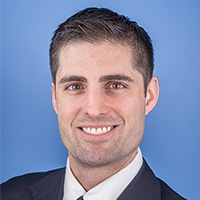
Dr. Mittermiller is a plastic surgeon with specialty training in craniofacial surgery and facial feminization surgery. His office is located in Los Angeles, California.
Contact us today to schedule a consultation.